
The Art of Accent Lighting: How to Use Sconces, Picture Lights & Lamps to Transform Your Space
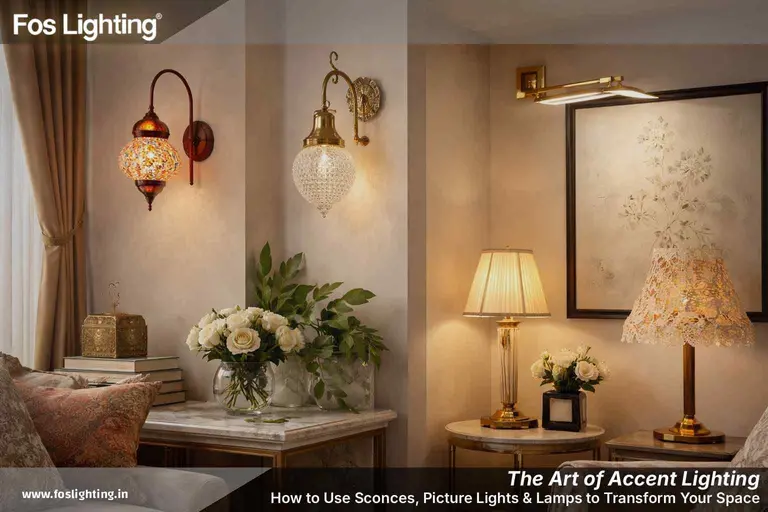
When home lighting is discussed, the major concern of many people is just with brightness. On the other hand, the interior designers know that the foundation of beautiful interiors is the use of lights in layers. Ambient lighting is the main source of light, task lighting is responsible for daily activities, and accent lighting is what transforms a space into a living one. It creates a certain atmosphere, marks certain aspects of a room, and makes the room warm, intentional, and complete.
From our point of view, accent lighting is the jewelry of your house. Just as the right accessories upgrade an outfit, the right lighting fixtures uplift your interiors. Well-placed wall sconces, lamps, and specialty lights can not only draw attention to artworks but also soften the corners and create pools of light that are both functional and stylish.
Through this guide, we will show you the accent lighting application the right way. We will look into classic fixtures, modern solutions, and practical placement ideas, thus you can, with confidence, apply accent lighting to change the appearance of the rooms, which will turn them into well-designed spaces—balanced and welcoming.
What is Accent Lighting & Why It Matters
Accent lighting is a directed layer of light used to highlight specific areas, features, or objects in a space. Unlike general lighting, it’s not meant to light up the entire room. Instead, it creates contrast-brightening one area while allowing others to stay softly lit.
We use accent lighting to add depth and dimension. It showcases artwork, architectural elements, textures, and décor that might otherwise have been overlooked. More importantly, it creates an atmosphere. A room with well-planned accent lighting feels cozy, dramatic, and visually interesting rather than flat or harsh.
It also enhances functionality, as soft lights near the seating area invite a person to sit and relax, while focused illumination in transition areas tends to increase safety and flow. From the subtle glow of a wall fixture to the warm pool of light from a lamp, accent lighting plays a powerful role in how a space feels and functions.
Section-by-Section Guide to Accent Fixtures
Wall sconces are one of the most versatile accent lighting options we use in interior design. Wall-mounted, they save space on the floor and table surfaces while providing both decorative and practical light.
We often place wall sconces beside beds as reading lights, down hallways to guide movement, or flanking mirrors and sideboards to create balance. They are also ideal if you want an alternative to table lamps in compact spaces.
Style-wise, there's everything from the characteristic to the ultramodern range to choose from. An antique wall lamp adds character and charm to traditional or heritage-inspired interiors. Modern wall sconce light designs with clean lines work beautifully in contemporary homes. Uplight sconces create soft ambient glow, while downlight styles offer focused illumination for specific tasks.
Because they sit at eye level, wall sconces instantly add visual interest and help break up empty wall spaces.
Task & Vanity Lighting: Mirror Lights
Vanity lighting should be good, especially in bathrooms and dressing rooms. The lights over the mirrors are designed to be even without shadows to make daily routines easier and more comfortable.
We recommend placing mirror lights at eye level or above the mirror in order to avoid sharp shadows on the face. While in bathrooms, these fixtures work double duty, functioning as functional task lights and chic accents. Well-chosen mirror lights also enhance the overall look of bathroom lights and wall layouts by adding symmetry and elegance.
However, when coupled with ambient light, mirror lights ensure clarity without overpowering the space and are, therefore, a must-have in practical but polished interiors.
• Lateral Illumination: Picture & Art Lights
Art deserves center stage. Picture light wall fixtures are designed to provide optimal lighting to paintings, photographs, and decorative wall features without creating glare or causing damage.
We use picture lights to draw attention to focal points and create a gallery-like feel at home. Placement is everything-position the light slightly above the artwork for even coverage and to reduce reflections.
Modern picture lights' LED options range from energy-efficient, warm, and flattering illumination. Whether you're highlighting a single statement piece or an entire wall of art, picture lights add sophistication and intention to your décor.
• Soft Ambiance: Table & Corner Lamps
Lamps are among the easiest means of adding accent lighting without major changes. Table lamps for bedroom purposes create calm, intimate lighting that is just what one needs to wind down at night. They could be perfect beside bedside tables, consoles, and study corners.
For living areas, corner lights in living room settings can actually get rid of any dark space and balance the lighting of the room. A well-placed lamp can build an unused corner into a cozy reading nook.
Material choice matters here. A handmade ceramic lamp adds texture and warmth, while brass table lamps for a bedroom bring a touch of elegance and timeless appeal. These lamps don't light up a space; they add personality and depth to it.
Strategic Placement Ideas
Accent lights should be placed for the utmost effect.
Placement can either make or break accent lighting. First and foremost, we emphasize function; then we add in style.
Lights for stairway regions improve safety while also adding elegance to them. Wall-mounted sconces on landings or along stair walls produce a rhythmic pattern of light that is both refined and functional.
In living areas, locating a corner lamp for seating zones—especially near an armchair—provides a cozy reading nook and balances overhead lights.
A bed lamp for bedroom design frees up nightstand space and keeps the look minimalist and uncluttered by wall-mounted sconces or small table lights.
A line of uniformly spaced wall sconces assists in guiding motion and keeps the room from seeming cramped or dark for hallways. Strategic positioning guarantees that accent lighting improves use as well as aesthetic appeal.
Picking the Right Style
When choosing accent lighting, we always advise that matching fixtures with an interior theme is the best course of action. Warm finishes and textured designs are best for a farmhouse or rustic home. Antique wall lamps, along with classic lamp shapes, blend well together in traditional interiors.
Sleek wall sconces without any detailing in neutral finishes will work well for modern spaces. For eclectic decor, choose a style-savvy mix like contemporary sconces paired together with a vintage-inspired lamp—to add character without the clutter.
Conclusion
The last layer that transforms a house into one created with care is accent lighting. It emphasizes the aspects that count most while bringing warmth, depth, and personality. The appropriate lighting selections produce rooms that feel whole and welcoming, from graceful wall fixtures to warm lamps.
At Foslighting, we think good lighting is about intent and balance. Add the ideal final layer to your home and confidently and stylishly bring your inside to life by exploring our broad selection of wall sconces, ornamental table lamps, and unusual lights.
